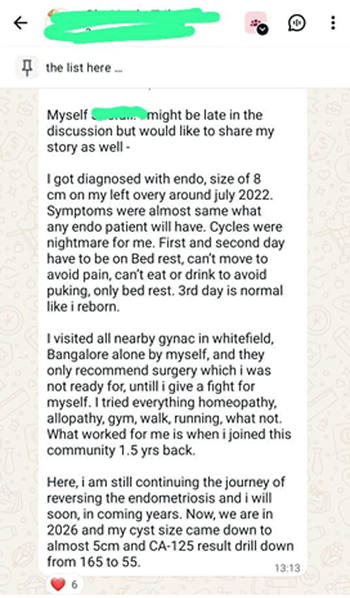
Endometriosis is a chronic, systemic condition that extends far beyond the presence of lesions in the pelvis. While conventional treatment approaches often focus on symptom suppression—through pain medication, hormonal therapy, or surgery—many women continue to experience recurrence or incomplete relief. This highlights a critical gap in care, one that root cause analysis seeks to address.
Root cause analysis involves identifying and understanding the underlying biological, hormonal, metabolic, and neurological factors that contribute to the development and persistence of endometriosis. Rather than asking only where the disease is located, this approach asks why the body is creating and sustaining an environment in which endometriosis can thrive.
From a physiological standpoint, endometriosis is closely linked to chronic inflammation, estrogen–progesterone imbalance, immune dysfunction, insulin resistance, gut dysbiosis, and impaired detoxification pathways. Chronic stress and nervous system dysregulation further amplify these processes by increasing cortisol levels, suppressing progesterone, and worsening systemic inflammation. When these root drivers remain unaddressed, treatments often provide temporary relief without long-term stability.
Surgical excision or hormonal suppression can be valuable tools, particularly in managing severe symptoms. However, without parallel work on inflammation control, metabolic health, gut–liver function, and nervous system regulation, the body may revert to the same dysfunctional patterns over time. This is why many women experience symptom recurrence even after technically successful interventions.
Root cause analysis integrates clinical history, symptom patterns, menstrual cycle awareness, targeted laboratory markers, lifestyle factors, and emotional health. It allows care to be individualized rather than protocol-driven. Importantly, it shifts the narrative from “managing a disease” to supporting the body’s capacity to regulate and heal.
Sustainable endometriosis healing is not about fighting the body; it is about restoring internal balance. Nutrition, stress regulation, sleep, movement, and emotional safety become central components of treatment rather than secondary considerations. When the internal environment becomes less inflammatory and hormonally stable, symptoms often reduce in both severity and frequency.
Ultimately, root cause analysis empowers women with clarity and agency. It transforms endometriosis care from short-term suppression to long-term, informed healing—supporting not just symptom relief, but overall hormonal and systemic health.